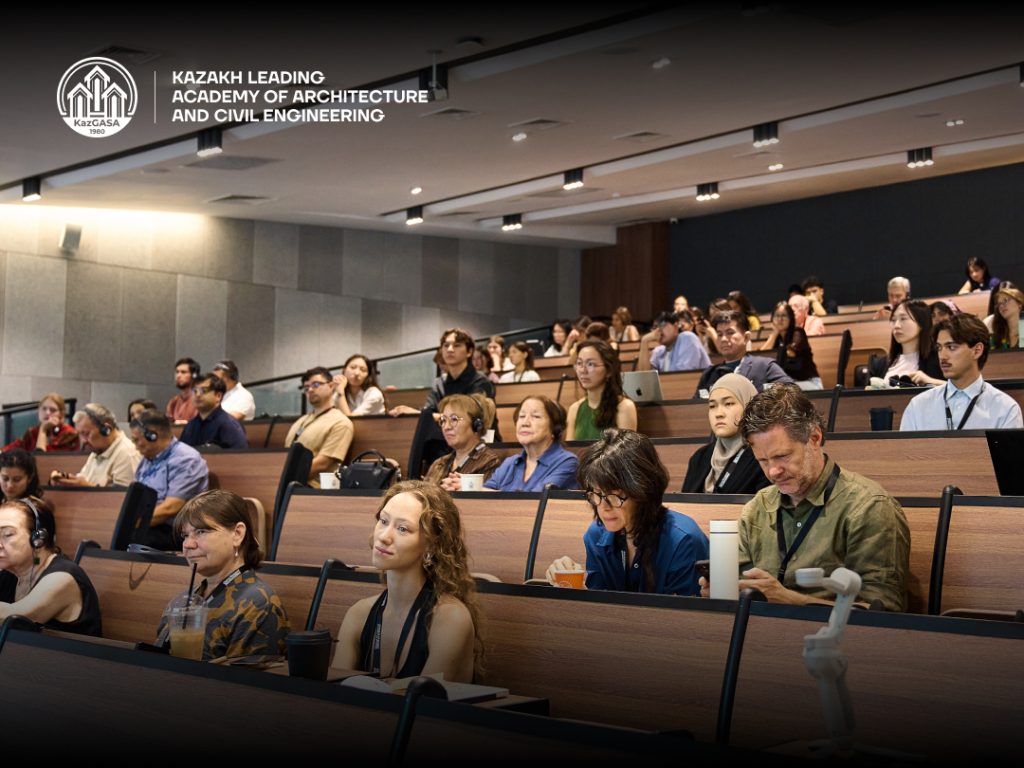
From August 17 to 21, 2026, Almaty is hosting the international conference and summer school “Preservation of 20th-Century Architectural Heritage: Global Challenges of the Present.”
The event is organized by KazGASA, ICOMOS Germany (EPWG), and ICOMOS Kazakhstan, with the support of the Ministry of Culture and Information of the Republic of Kazakhstan, the National Commission of the Republic of Kazakhstan for UNESCO and ICESCO, and the Akimat of Almaty.
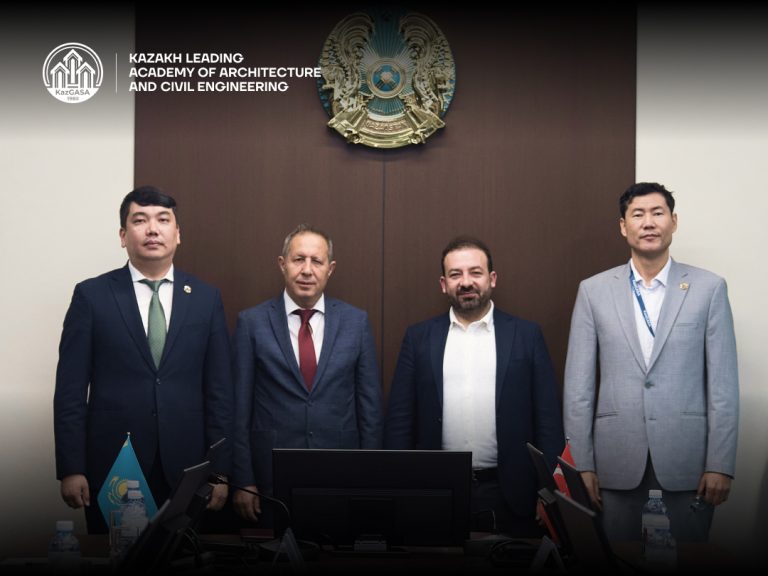
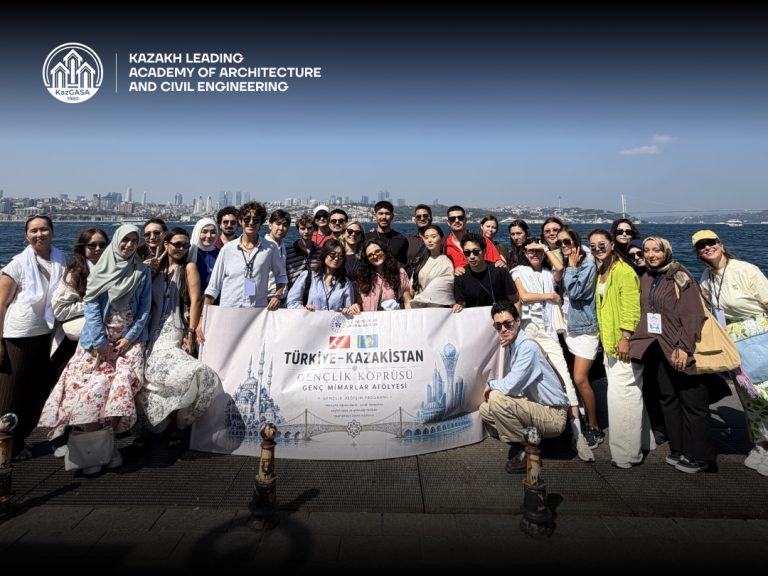
The conference brings together architects, researchers, academics, and students from Kazakhstan, Germany, the United States, Türkiye, Georgia, Lebanon, Azerbaijan, China, Greece, Singapore, Serbia, Italy, Estonia, and Brazil.
The program focuses on modern approaches to researching and preserving 20th-century architectural heritage, including its protection, adaptation, and integration into the evolving urban environment. Participants are examining international experience and specific examples of working with architectural heritage sites in different countries.
The topic is particularly important for Almaty. The city is located in one of Kazakhstan’s most seismically active regions and has significant 20th-century architectural heritage. In 2025, two nominations related to Almaty were included in Kazakhstan’s UNESCO World Heritage Tentative List: “Architectural Resilience: The Seismic Heritage of Almaty” and “Medeu – Complex of Engineering Structures for Mudflow Protection.”
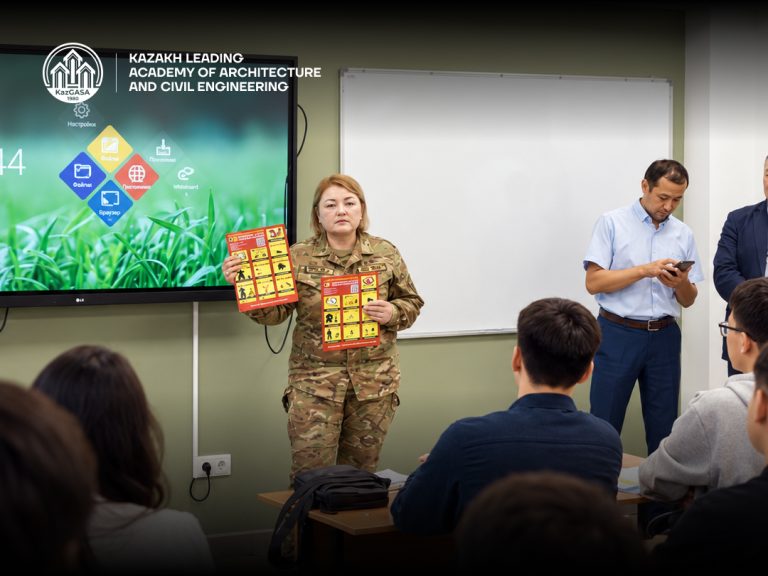
The conference places particular emphasis on education. Students of KazGASA are taking part in professional discussions, seminars, and workshops, exploring Almaty’s architectural heritage and engaging directly with international experts. For academics and researchers, the conference provides a platform for exchanging experience and developing international academic and professional cooperation.
Events of this kind contribute to the development of professional expertise needed to preserve and develop historic environments. Universities and research centers play an important role in this process by training specialists, conducting research, and developing professional competencies.
The relevance of this area for Kazakhstan is also confirmed by recent UNESCO decisions. In 2026, the “Rock Mosques and Associated Sacred Sites of Mangystau” were inscribed on the UNESCO World Heritage List, becoming Kazakhstan’s seventh World Heritage property.
The expansion of internationally recognized heritage requires further development of the country’s research and human-resource capacity. Continuing this work brings together the efforts of the state, research centers, and universities, including the UNESCO Chair “Preservation of Historical and Cultural Heritage” at KazGASA, which focuses on specialist training, research, and the development of modern approaches to heritage preservation.
This approach not only contributes to preserving heritage sites that have already received international recognition, but also helps build a professional environment in Kazakhstan capable of working with architectural and cultural heritage in accordance with international standards.